 Image 1 of 5
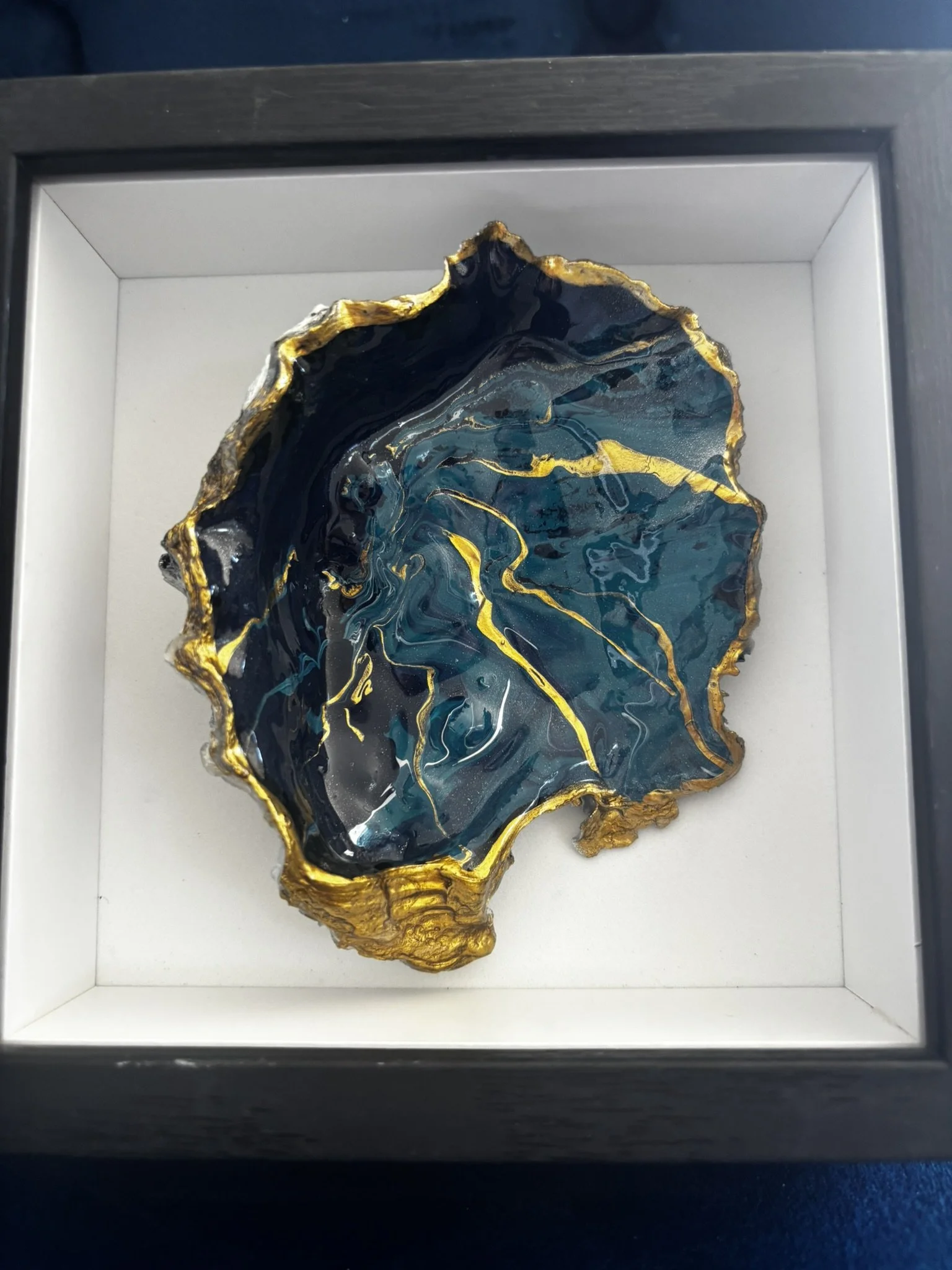 Image 2 of 5
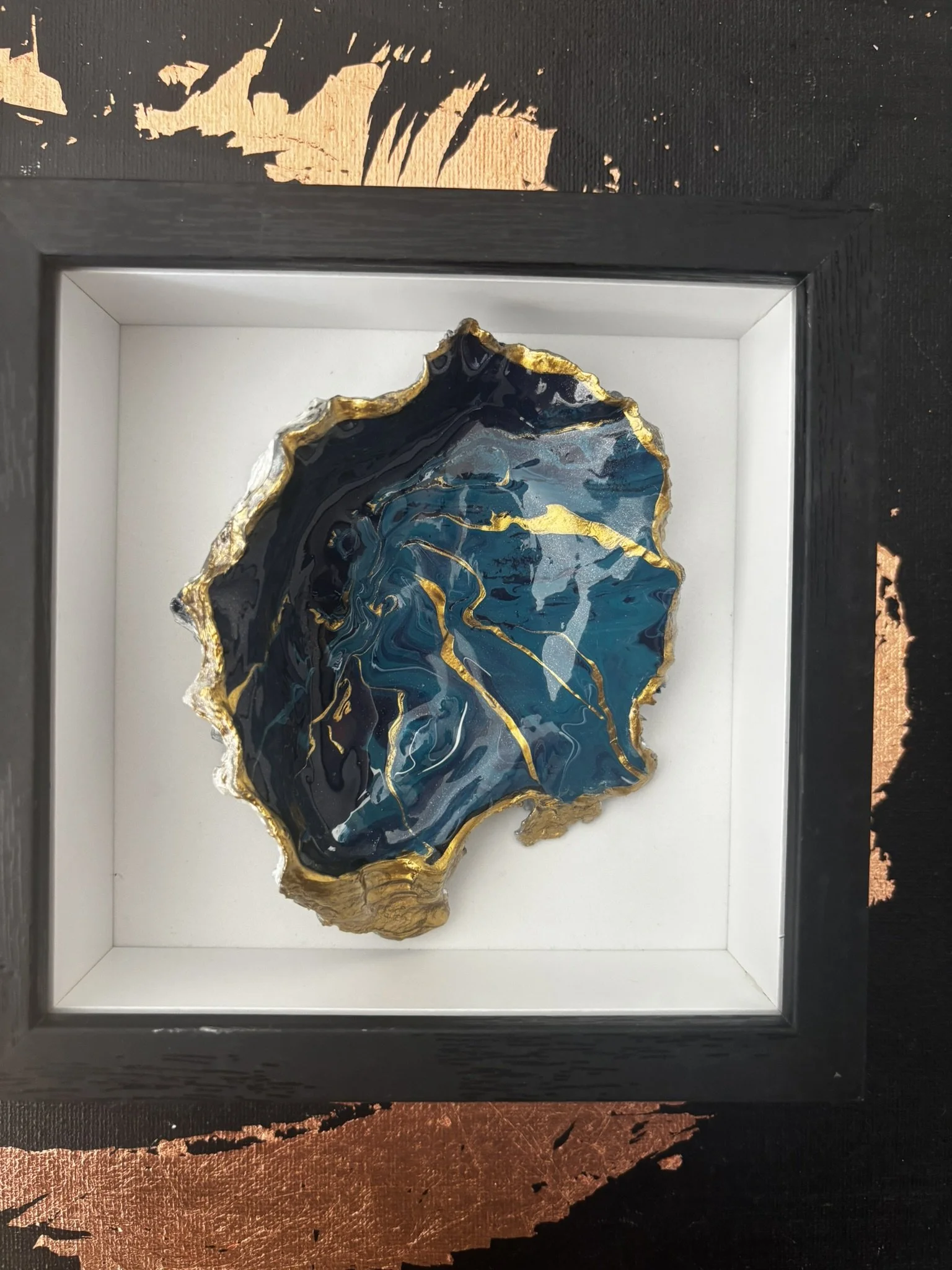 Image 3 of 5
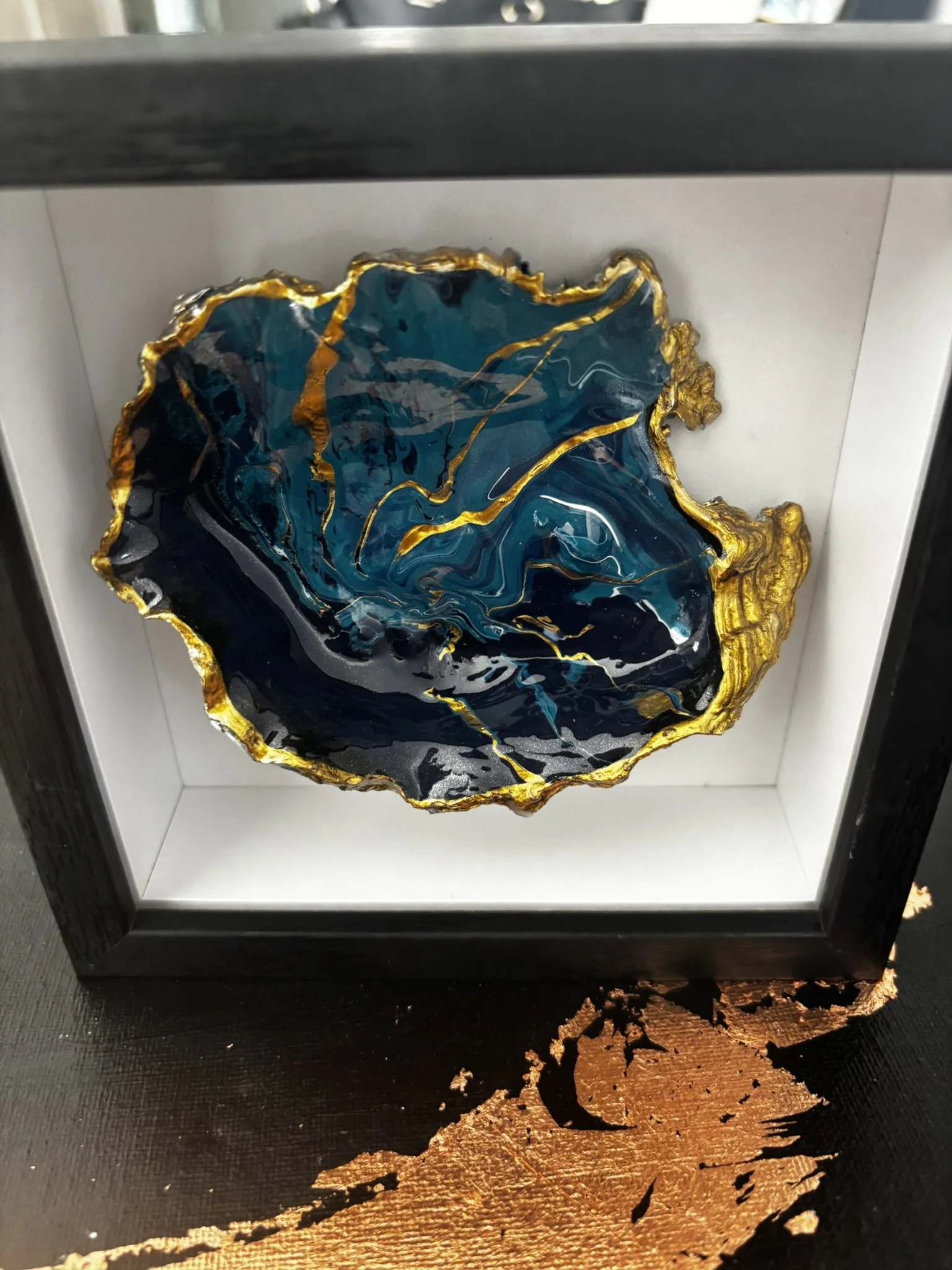 Image 4 of 5
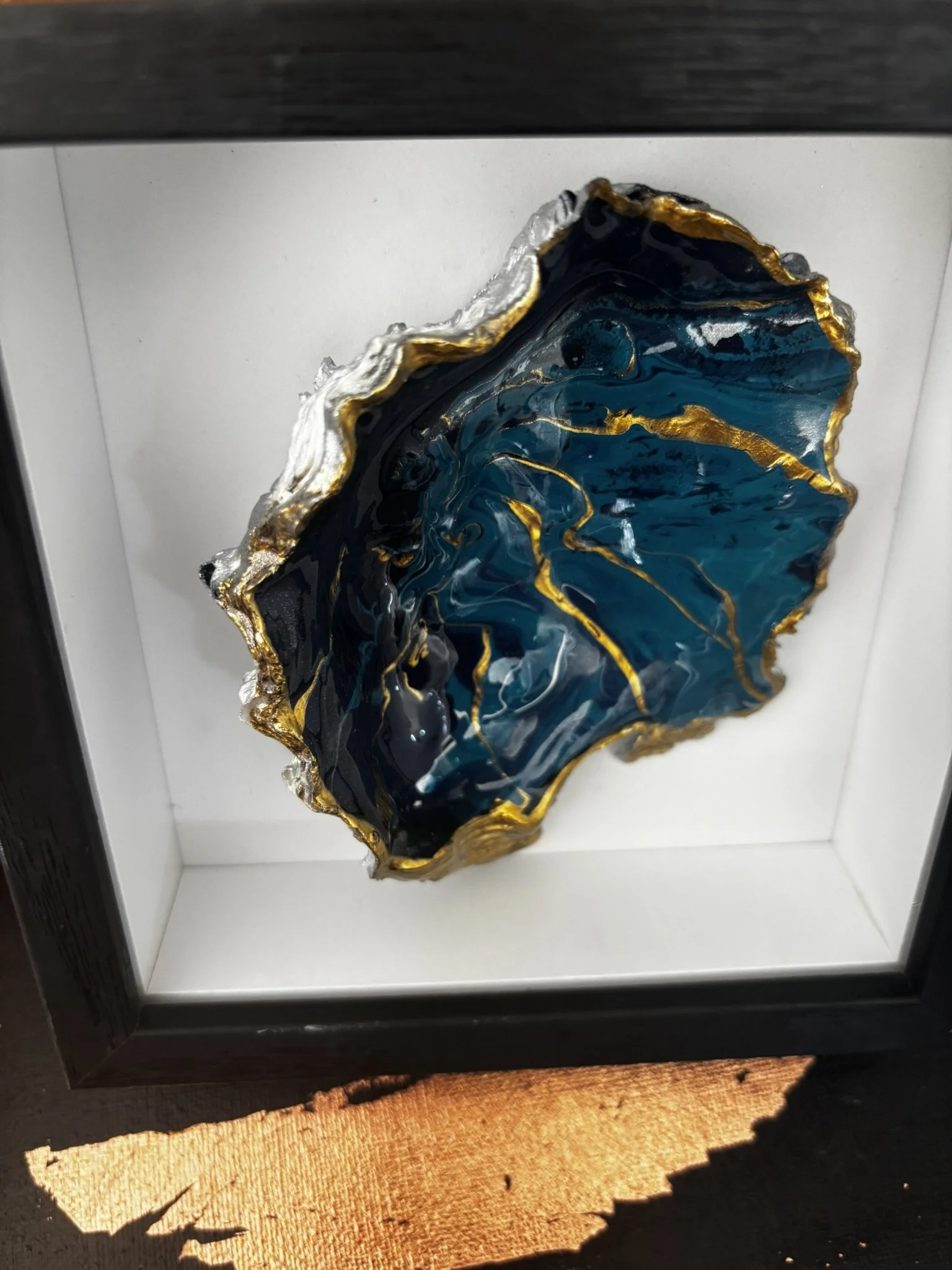 Image 5 of 5
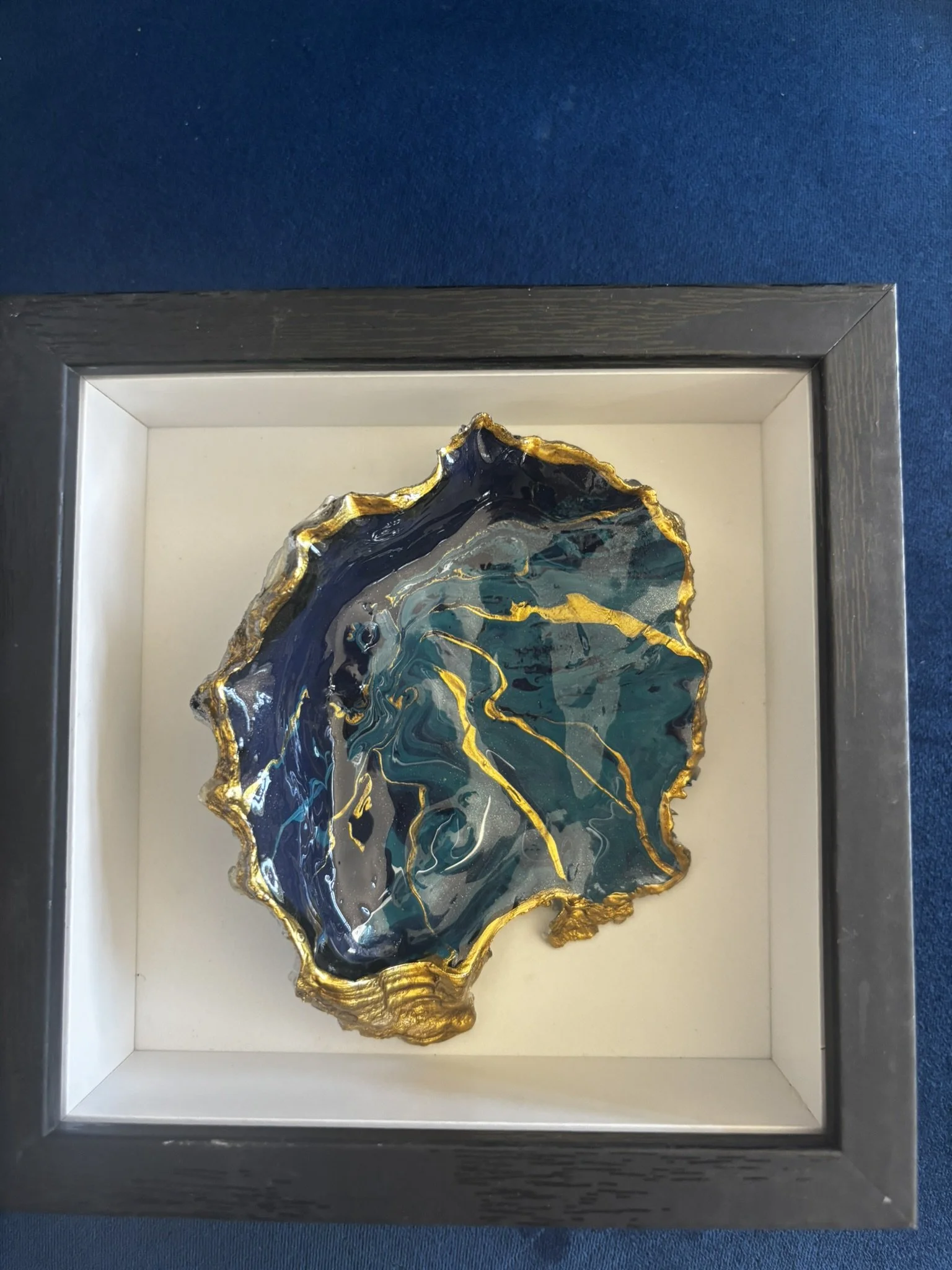
For most of the twentieth century, Seymour Narrows was considered the most dangerous stretch of navigable water in the world. A tidal current of up to sixteen knots. A submerged pinnacle that sank ships until it was removed by the largest non-nuclear explosion in history. This piece has that force — vivid cerulean pushing through cobalt, gold caught in the current, nothing at rest.
In 1958, the Canadian government detonated 1,270 tonnes of explosives beneath Seymour Narrows to remove Ripple Rock — a submerged pinnacle that had sunk over 100 vessels. It was the largest non-nuclear explosion in history at the time. The current still runs at sixteen knots. This shell is the most electric in the Fathom collection — vivid cerulean, cobalt, gold caught mid-surge, nothing settled. Some places are defined by the force it takes to move through them
For most of the twentieth century, Seymour Narrows was considered the most dangerous stretch of navigable water in the world. A tidal current of up to sixteen knots. A submerged pinnacle that sank ships until it was removed by the largest non-nuclear explosion in history. This piece has that force — vivid cerulean pushing through cobalt, gold caught in the current, nothing at rest.
In 1958, the Canadian government detonated 1,270 tonnes of explosives beneath Seymour Narrows to remove Ripple Rock — a submerged pinnacle that had sunk over 100 vessels. It was the largest non-nuclear explosion in history at the time. The current still runs at sixteen knots. This shell is the most electric in the Fathom collection — vivid cerulean, cobalt, gold caught mid-surge, nothing settled. Some places are defined by the force it takes to move through them