 Image 1 of 3
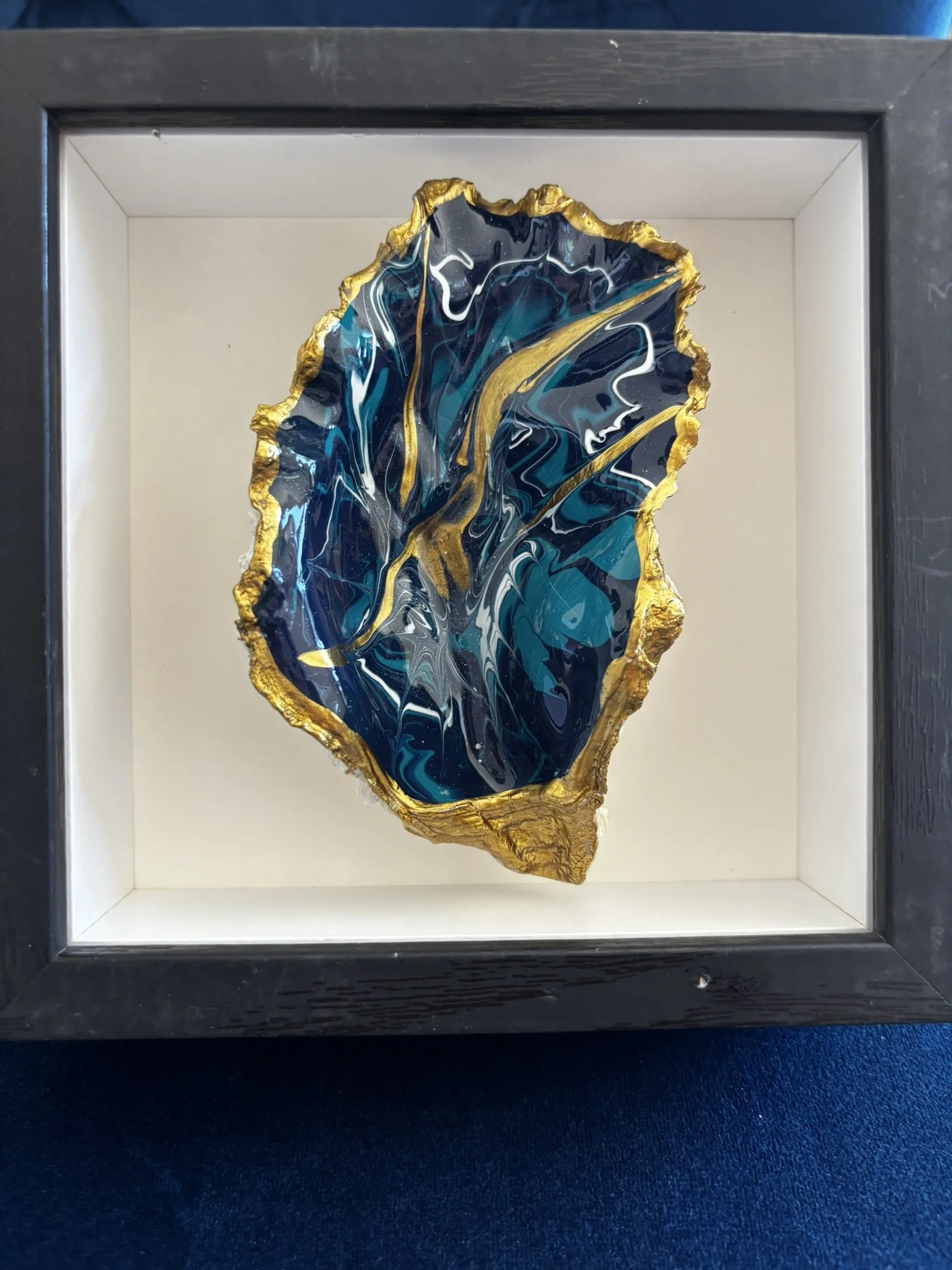 Image 2 of 3
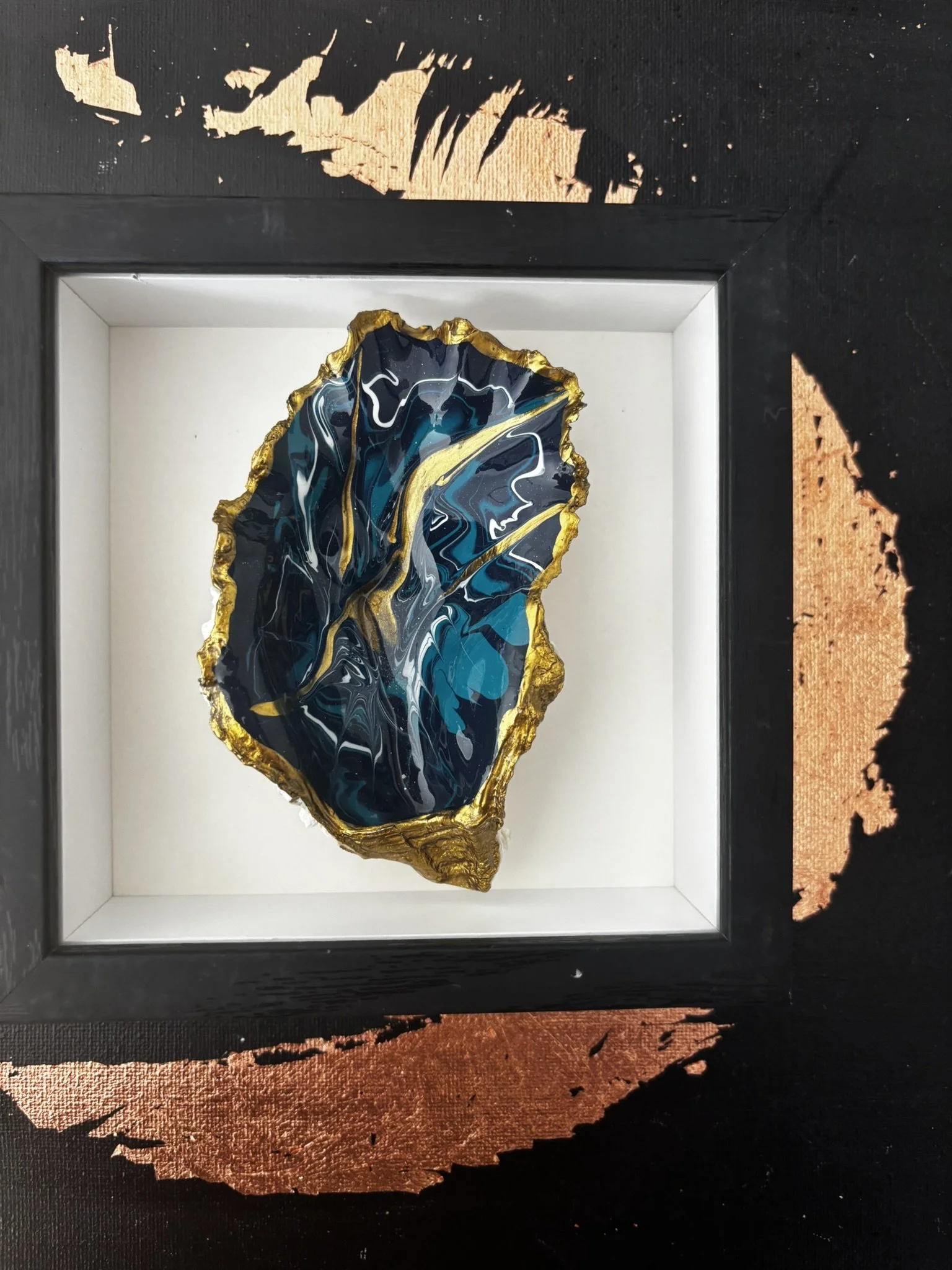 Image 3 of 3
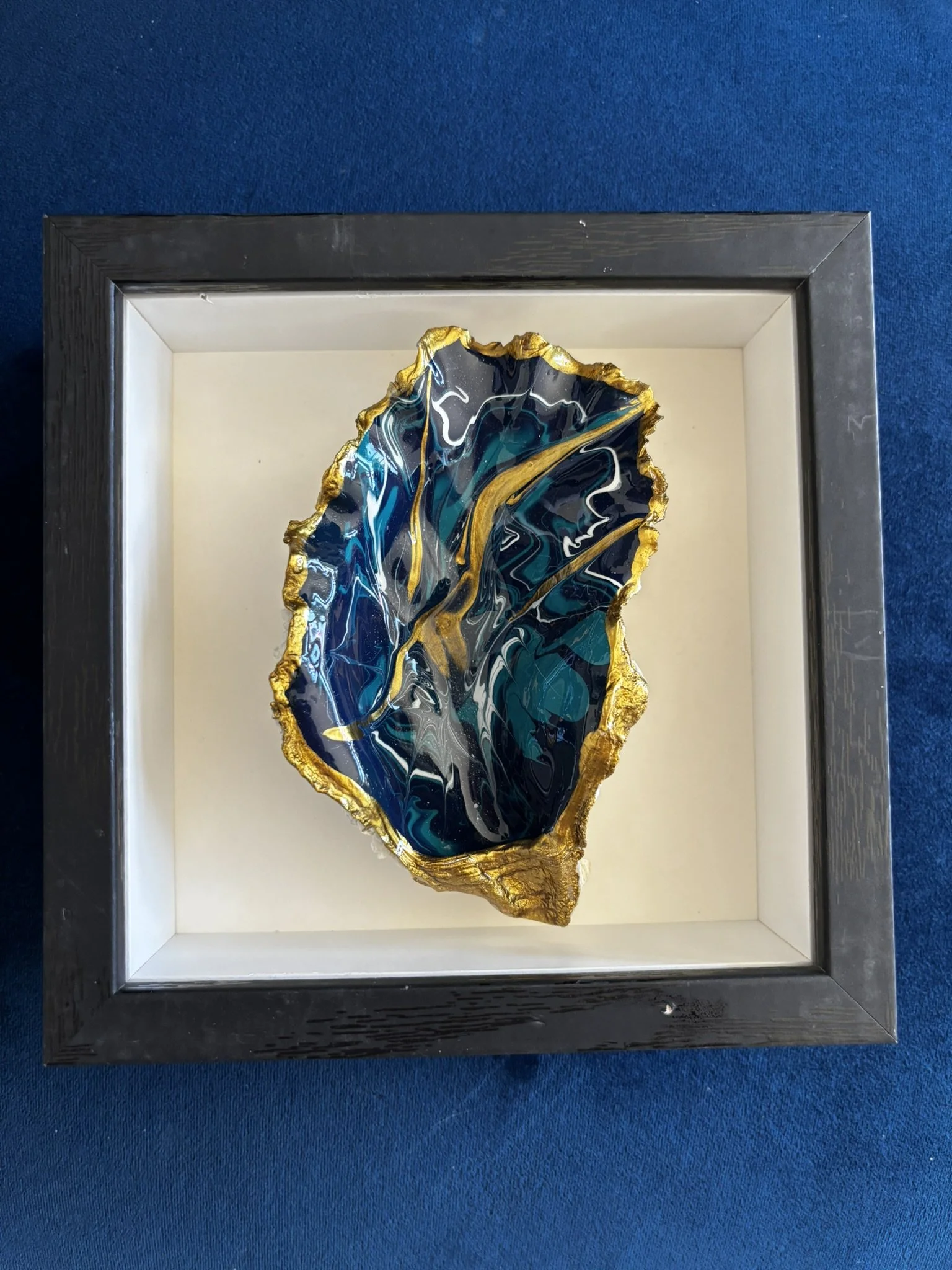
The northernmost tip of Vancouver Island. Fog-bound for much of the year, littered with the history of shipwrecks and failed settlements, accessible only by a long trail through old growth. Cape Scott is where the island ends and the open Pacific begins in earnest. This piece holds that threshold — teal and navy converging at a point, gold seams meeting like two currents that have finally found each other.
Cape Scott is where Vancouver Island ends. Fog most of the year. A graveyard of shipwrecks offshore. Danish settlers who tried to farm the headland in the early 1900s and couldn’t hold it. You can only get there on foot, through old growth, and when you arrive the Pacific is waiting on three sides. This shell is that arrival point — teal and navy converging, gold seams meeting at a focal point like two currents that have been travelling toward each other for a long time. Two pieces in this collection carry pearl iridescent resin, a later evolution in the work — where the light stopped sitting on the surface and began living inside it. Cape Scott is one of them
The northernmost tip of Vancouver Island. Fog-bound for much of the year, littered with the history of shipwrecks and failed settlements, accessible only by a long trail through old growth. Cape Scott is where the island ends and the open Pacific begins in earnest. This piece holds that threshold — teal and navy converging at a point, gold seams meeting like two currents that have finally found each other.
Cape Scott is where Vancouver Island ends. Fog most of the year. A graveyard of shipwrecks offshore. Danish settlers who tried to farm the headland in the early 1900s and couldn’t hold it. You can only get there on foot, through old growth, and when you arrive the Pacific is waiting on three sides. This shell is that arrival point — teal and navy converging, gold seams meeting at a focal point like two currents that have been travelling toward each other for a long time. Two pieces in this collection carry pearl iridescent resin, a later evolution in the work — where the light stopped sitting on the surface and began living inside it. Cape Scott is one of them